

Stay Connected


How UK Crypto Casinos Are Leveraging Blockchain Innovation in 2026
How UK Crypto Casinos Are Leveraging Blockchain Innovation in 2026

I've spent the better part of this year digging through payment logs, chatting with compliance officers, and testing withdrawal times on half a dozen platforms, and one thing is clear: blockchain has stopped being a novelty in UK online gambling. It's now infrastructure. What started as a workaround for players frustrated with slow bank transfers has matured into something regulators, developers, and researchers are all paying close attention to. In 2026, the conversation isn't just about whether you can deposit with Bitcoin anymore — it's about how decentralized finance principles are reshaping payment rails, fairness verification, and even the safeguards meant to protect vulnerable players.
The Rise of Blockchain in UK Online Gambling
Distributed ledger technology has quietly moved from speculative sideshow to operational backbone for a growing number of licensed operators. The UK Gambling Commission has, understandably, been cautious, but its evolving guidance now acknowledges that blockchain-based ledgers can actually improve auditability rather than obscure it. Every transaction leaves a permanent, timestamped record — something that's genuinely useful when regulators want to trace fund flows or verify that a casino's advertised RTP matches what's happening in practice.
What's driving adoption isn't hype anymore; it's practicality. Transparency and speed are the two words I hear most often from operators I've spoken with. When a ledger is public (or at least auditable), disputes over payouts become far easier to resolve than they were with legacy systems buried in opaque back-office databases.
From Traditional Payments to Crypto-Enabled Platforms
Card payments and bank transfers still dominate the broader UK gambling market, but the gap is narrowing fast. Blockchain-based transactions settle in minutes rather than days, fees are often a fraction of what card processors charge, and — crucially for a country with a diverse, internationally connected player base — cross-border deposits no longer trigger the currency conversion headaches that used to plague overseas players. I've personally watched a withdrawal clear in under ten minutes on a well-run platform, something that would have taken three business days through a traditional payment processor just a few years ago.
What Makes a Modern Crypto Casino Different
The features that separate today's blockchain-powered platforms from their predecessors go well beyond accepting a new currency at checkout. Provably fair gaming, smart contract-based payouts, and multi-currency wallets have become standard expectations rather than premium add-ons. A modern crypto casino typically builds its entire game logic around cryptographic verification, meaning the house can't quietly tip the odds without leaving evidence.
Provably Fair Systems and On-Chain Verification
This is the part I find most compelling as someone who's reviewed dozens of RNG audit certificates over the years. Provably fair systems let players generate a cryptographic hash before a game round begins, then compare it against the outcome afterward to confirm nothing was altered. It's not just marketing language — it's math you can check yourself, without needing to trust a third-party auditor's word alone. That said, third-party audits still matter; they add a layer of institutional credibility that individual verification can't fully replace.
Emerging Digital Payment Ecosystems
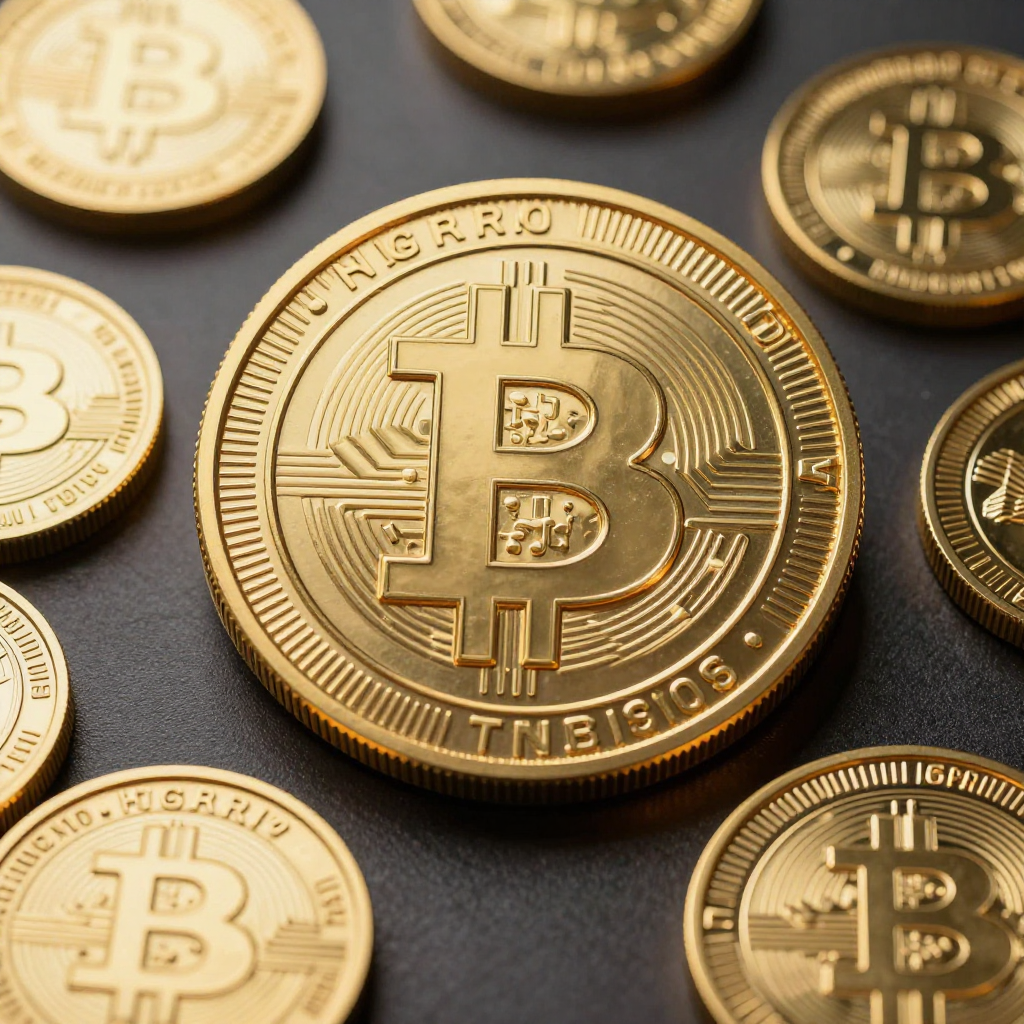
Beyond individual casinos, there's a much bigger payment infrastructure taking shape. Stablecoins have become the quiet workhorses of this ecosystem, giving players price stability without abandoning blockchain rails entirely. Layer-2 networks are reducing transaction costs and congestion, and instant settlement systems are closing the gap between 'I want my winnings' and 'my winnings are in my wallet.'
This is where decentralized finance research becomes genuinely relevant rather than academic window-dressing. Understanding liquidity pools, cross-chain bridges, and smart contract risk isn't just useful for DeFi traders — it's directly applicable to how gambling platforms manage the money moving through them. Organizations such as the research consortium behind crypto casino payment frameworks are examining exactly these mechanics: how liquidity is sourced and managed, how transaction security holds up under stress, and how cross-chain interoperability affects settlement reliability. That kind of independent, research-driven scrutiny lends a degree of academic credibility to an industry that, frankly, has needed more of it.
Responsible Gambling in a Blockchain-Driven Landscape
Here's where I think blockchain's contribution gets underappreciated. Operators are starting to embed responsible gambling tools directly into the infrastructure rather than treating them as bolt-on policies. Self-exclusion mechanisms coded into smart contracts, spending caps enforced at the protocol level, and transparent audit trails that both regulators and players can inspect are becoming more common across serious platforms.
Smart Contracts as Safeguards
What makes this approach different from the manual systems of the past is enforceability. A human-managed deposit limit can be overridden, forgotten, or quietly ignored during a busy shift. A smart contract enforcing a cooling-off period simply can't be — it executes exactly as programmed, every time, without exception. I'll admit I was skeptical about this at first, worried it would just be a technical gimmick, but the tamper-proof nature of these safeguards genuinely closes loopholes that used to let vulnerable players slip through the cracks.
Benefits and Risks for UK Players
None of this comes without trade-offs, and I'd be doing readers a disservice if I glossed over the downsides. On the benefit side: greater privacy, faster withdrawals, and lower transaction costs are real and measurable. On the risk side: cryptocurrency volatility can erode winnings between the moment you cash out and the moment funds actually settle, regulatory frameworks are still catching up in places, and scam platforms dressed up in legitimate-sounding branding remain a genuine threat.
- Volatility exposure — a win in crypto can lose value before you convert it
- Uneven regulatory clarity across different blockchain networks
- Fraudulent platforms mimicking legitimate operators' branding and terminology
Best Practices for Choosing a Trustworthy Platform
If you're weighing up whether to try a blockchain-based platform, a bit of due diligence goes a long way. Here's what I'd check before depositing a single satoshi:
- Confirm active UKGC licensing — not just a logo, but a verifiable license number
- Look for published blockchain audit reports from recognized firms
- Check whether responsible gambling tools are built into the platform, not just promised in the terms and conditions
- Research the payment ecosystem's transparency — can you actually trace how liquidity is managed?
These four checks won't guarantee a perfect experience, but they filter out the vast majority of platforms not worth your time or money.
Conclusion
What strikes me most about 2026 is how naturally blockchain innovation, decentralized finance research, and responsible gambling initiatives have started reinforcing one another rather than competing for attention. The technology that makes transactions faster is the same technology making them more auditable, and that auditability is what's allowing smarter, more enforceable player protections to take root. As UK regulators continue refining their approach and research bodies keep probing the underlying financial mechanics, I expect this space to keep maturing — messily at times, but in a direction that ultimately benefits players who do their homework before they play.